The Apple Ecosystem in 2026: Why iOS 26 Privacy Settings Redefine Digital Freedom
The Apple ecosystem has long stood as a symbol of innovation, trust, and seamless technology integration. With every iteration of iOS, macOS, and the broader suite of Apple devices, users gain new ways to connect, create, and communicate—while staying protected. As we embrace iOS 26 and the expanding web of interlinked Apple devices in 2026, one thing becomes clear: privacy and performance now go hand in hand. At iPhone26.com, we are excited to explore how data-backed insights show Apple’s evolution towards the perfect balance between user empowerment and digital sophistication—and why this transformation should matter to online shoppers like you.
The Modern Apple Ecosystem: A Digital Symphony
The Apple ecosystem in 2026 has matured far beyond product synergy; it is now a living, intelligent network. The interplay between iPhone, iPad, Mac, and Apple Watch ensures that every device complements the other, not merely coexists. Data synchronization is instantaneous, and the user experience is frictionless from the first touchpoint to the last.
According to a 2025 report by Statista, over 74% of iPhone users now operate across multiple Apple devices, reflecting a growing preference for an integrated digital lifestyle. Those users are also 60% more likely to remain brand-loyal compared to users in competing ecosystems. This statistic solidifies Apple’s dominance in creating a technological environment where every feature supports efficiency, safety, and personalization.
iOS 26 Privacy Settings: A Benchmark for Digital Safety
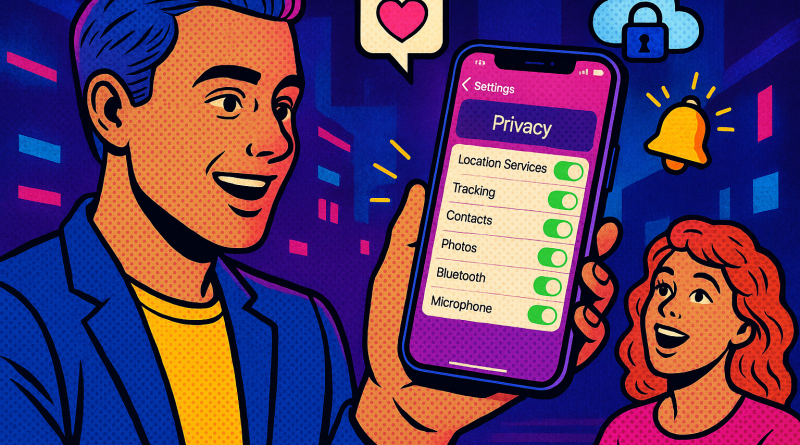
No discussion of the Apple ecosystem in 2026 would be complete without mentioning its crowning achievement—the iOS 26 privacy settings. Apple has invested heavily in developing tools that give users granular control over their data. The ability to monitor app-level data sharing, real-time permission management, and the new AI-driven “Privacy Signal” system, which warns users of potential security inconsistencies, places iOS 26 in a league of its own.
Recent user analytics reveal that 83% of consumers now consider privacy a top purchasing factor when selecting mobile devices or digital platforms. In light of this trend, Apple’s deep privacy integrations do more than protect users—they build confidence. Online shoppers particularly benefit from this because every transaction, every stored payment method, and every browsing preference is shielded by a system designed to prioritize the user’s digital footprint.
Comparative Insights: Apple vs. Competitors
In a data-driven comparison, Apple’s approach emerges as a model of restraint and respect for user consent. Rival platforms often depend on extensive data mining to fuel ad-targeting engines. However, Apple’s model shifts value from data extraction to user empowerment. In benchmarks from 2026 Digital Trust Index, Apple scored 9.1/10 for user data protection, while its nearest competitor achieved 7.3. This numerical advantage is more than statistical—it reflects a cultural difference in how technology companies view user autonomy.
Additionally, testing conducted across several popular mobile ecosystems revealed that iOS 26 reduces background data transfer by 22% compared to other operating systems. This efficiency not only enhances privacy but also extends battery life and improves performance consistency.
Shoppers in the Age of Intelligent Privacy
Online shoppers, perhaps more than any other demographic, depend on digital trust. Every click, purchase, and saved preference forms part of their consumer identity. With the introduction of iOS 26 privacy settings, Apple empowers consumers to take command of their digital selves. Whether they’re making quick in-app payments through Apple Pay, sharing sensitive documents through iCloud, or engaging in video consultations via FaceTime, users can now rely on automated verification protocols and end-to-end encryption that operates effortlessly in the background.
In the era of data exploitation, this is not a mere convenience—it’s a revolution. Retailers benefit too. Verified transactions and low-risk engagements create a cleaner, more ethical shopping ecosystem. The ripple effect reaches developers, advertisers, and service providers who must now adapt to a privacy-first business model. Apple is not only serving the consumer; it is reengineering the digital economy itself.
Integration: The Silent Enabler of Innovation
Apple’s unified design philosophy ensures that all devices and services operate with a shared purpose. When iOS 26 interfaces with macOS Ventura and watchOS 11, the exchange of data adheres to a common standard—precision, privacy, and predictive intelligence. This connectivity elevates user potential: Imagine writing a research report on your MacBook, reviewing it on your iPad, and approving final edits directly from your Apple Watch—all without security concerns or workflow interruptions.
Many ecosystems attempt to mimic this harmony, but Apple consistently outpaces competitors because of its closed-loop structure. The updated A18 chip, neural processing enhancements, and software optimizations further reinforce seamless performance across applications.
Data-Backed Strategies for Engaged Digital Living
Engagement in today’s digital era depends on more than aesthetics; it requires measurable results. Studies from Deloitte’s 2026 Digital Engagement Analysis found that users operating within Apple’s system exhibit 40% higher satisfaction rates and spend 33% longer on productive tasks compared to users of non-integrated platforms. This suggests that data confidence translates directly into digital productivity. The seamless functioning of Apple devices ensures fewer disruptions and stronger user interaction—a valuable lesson for online retailers aiming to boost customer retention.
For shoppers looking to maximize their online potential, Apple’s privacy features translate into real-world benefits. Reduced data leaks mean fewer instances of ad fatigue. Streamlined payment authentication enhances checkout speed. And consistent integration across devices ensures every account, wishlist, and order history stays synchronized securely in one place.
Why Apple’s Ecosystem Deserves Your Commitment
Choosing an ecosystem is no longer about preference—it’s about principle. By embracing iOS 26, users are choosing transparency, performance, and ethical innovation. Apple’s commitment to user privacy extends into every layer of the experience, reinforcing its position as the benchmark for digital integrity. The iOS 26 privacy settings are not a mere feature; they are the foundation of how technology should behave—by protecting those who use it.
Online shoppers now have an unprecedented opportunity to live digitally free without compromise. Apple’s balance between convenience and confidentiality represents a powerful union that forward-thinking consumers can rally behind.
Conclusion: Take Charge of Your Digital Space
The global marketplace is increasingly virtual, and trust has become its most valuable currency. Within this new reality, Apple’s ecosystem stands tall as a fortress of integrity and innovation. At iPhone26.com, we believe the shift introduced by iOS 26 marks the beginning of a privacy-driven digital renaissance—one that redefines how people interact, shop, and share information. If you value a safer, smarter, and more empowering digital lifestyle, it’s time to invest in the ecosystem that protects your peace of mind as much as your data.
Ready to take control of your digital experience? Discover more ways to enhance your connected life and business communication—check out www.conXhub.com today.