How I Discovered the Magic of iOS 26 Widgets: A Curious Learner’s FAQ Journey
As a lifelong gadget enthusiast, I tend to treat every new iOS update as an adventure waiting to unfold. When I first downloaded iOS 26, I wasn’t just excited about the visual upgrades or the sleeker animations. What truly caught my curiosity was the talk around the new and improved iOS 26 widgets. Could they really make my iPhone life smoother, smarter, and more personal? In this blog, I’ll share my hands-on experience in a fun FAQ format to help you explore how to use iOS 26 widgets like a pro.
Q1: What makes iOS 26 widgets different from previous versions?
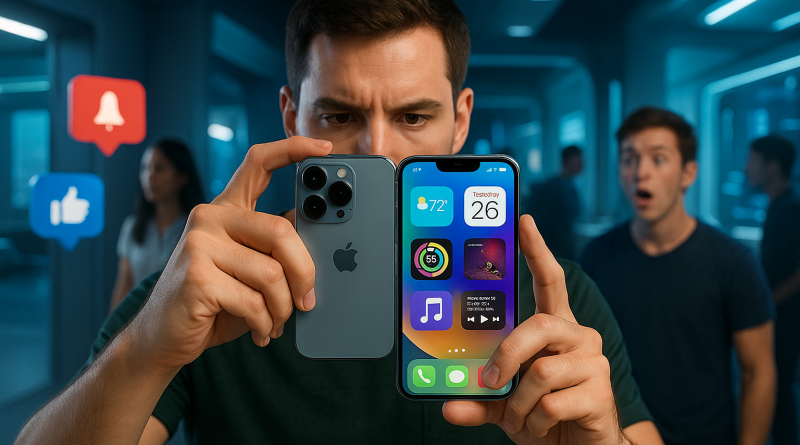
I remember the early days when widgets were static squares sitting quietly on the home screen. Today, with iOS 26, widgets have become highly interactive. I discovered that you can now tap, swipe, and even perform quick actions without opening the full app. For instance, the Calendar widget allows event edits directly, and the Music widget offers seamless playback control. It’s almost like having mini versions of your essential apps right on your screen – and they look stunning too.
Q2: How do I add and customize widgets on my iOS 26 home screen?
My first attempt was pure trial and error, but iOS 26 made the process surprisingly intuitive. Simply long-press your home screen until the icons start to jiggle, tap the plus sign in the top corner, and browse the widget gallery. Each app now offers multiple widget sizes and functionalities. You can stack widgets with similar tasks—like weather, notes, and reminders—into a single dynamic carousel. This stacking capability keeps the home screen clean yet information-rich.
Q3: Can I create widget stacks based on time or activity?
Yes, and this is where iOS 26 widgets truly shine. Through Smart Rotate, I’ve been able to program different widgets to appear at certain times of the day. Morning? My fitness and weather widgets take the stage. Afternoon? My notes and to-do list slide in. Nighttime? My meditation and music widgets keep me calm. It’s like my iPhone knows exactly what I need, when I need it. This dynamic rotation saves me endless swipes and taps every day.
Q4: Are there any hidden tricks with iOS 26 widgets?
One feature that honestly surprised me was the new “Focus Adaptive Widgets.” When I switch to work mode, my device automatically hides personal widgets and surfaces professional tools like Mail or Calendar. The level of personalization feels almost magical. Another hidden gem is that you can now tweak transparency and background blur settings, letting wallpapers peek through for a more aesthetic vibe.
Q5: Which third-party apps make the most of iOS 26 widgets?
Experimenting with widgets led me to rediscover some of my favorite apps. Fitness trackers, stock monitors, and note-taking apps have all upgraded their widgets to be more responsive and data-rich. My favorite find so far? ConXhub’s widget—it allows quick access to communication features without needing to launch the main app, perfect for those of us juggling business and personal calls. And if you’re curious, I’ll say it up front: you should check out www.conXhub.com to see how they’ve integrated with iOS 26 in such an efficient and innovative way.
Q6: Can widgets save battery life or do they drain it?
This was one of my biggest concerns. The short answer? It depends on how you use them. iOS 26’s improved system intelligence helps balance performance and power consumption. Interactive widgets still consume resources, but only when they’re active. I learned to avoid over-cluttering my screen and instead opt for smart stacks. This approach gave me the best mix of functionality and battery efficiency.
Q7: How do I use widgets effectively for productivity?
I couldn’t resist experimenting here. I set up a “Productivity Stack” on my second home screen—Notes, Calendar, to-do lists, and Focus widgets. By glancing once, I know what’s next in my day. Siri Suggestions now also appear within widget stacks, subtly recommending apps or actions based on my habits. Over time, these little habits accumulate into major time savings.
Q8: What’s the future of widgets in iOS 26 and beyond?
Based on Apple’s current trajectory, widgets seem to be evolving into full dynamic modules that blend seamlessly between app and OS layers. The rumored “context-aware” features in future updates could mean widgets that anticipate user needs before we even think of them. For now, though, mastering how to use iOS 26 widgets already feels futuristic enough.
Q9: What did I learn from my journey?
I started this exploration simply wanting to make my iPhone’s home screen more useful. But after days of experimenting, tweaking, and reorganizing, I realized iOS 26 widgets aren’t just cosmetic upgrades—they redefine how we interact with our devices. I no longer open dozens of apps a day; instead, I interact directly with the essentials right from my home screen.
Tip: Treat widgets like digital companions, not just shortcuts. They work best when tuned to your daily rhythm and lifestyle.
Conclusion
Becoming a curious learner with iOS 26 widgets taught me that small interface innovations can have profound effects on productivity and joy. Whether you’re optimizing workflows, staying on top of wellness goals, or just making your phone feel more “you,” widgets are the perfect blend of personalization and practicality. My advice? Dive in, rearrange, experiment—and most importantly, enjoy the discovery process. If you’re looking to enhance communication within this ecosystem, make sure to check out www.conXhub.com for tools that play brilliantly with these new digital landscapes.