
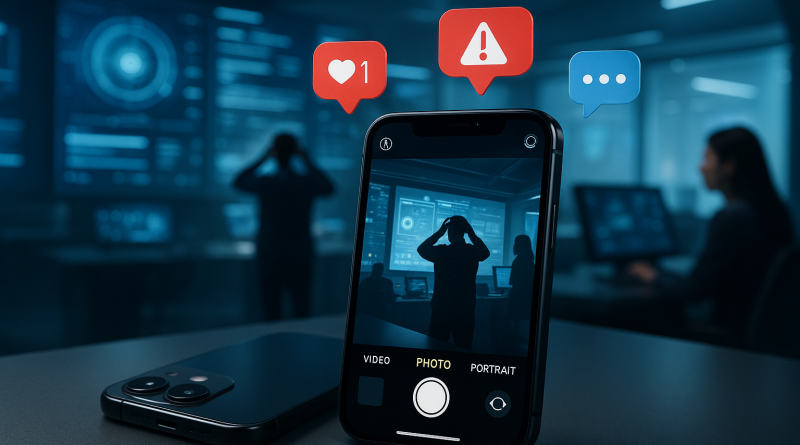
The Digital Balancing Act: Pros and Cons of Modern iPhone Photography
In today’s hyperconnected era, the evolution of digital photography has transformed how we capture, share, and interpret our world. Armed with advanced iPhone camera features, photography has become not just accessible—but strategic. As iphone26.com explores the expanding universe of digital creativity, understanding both sides of this transformation is essential. Below is a strategist’s breakdown of the major pros and cons shaping the modern iPhone photography landscape.
1. The Power of Accessibility
Pro: The democratization of photography has shattered old barriers. Anyone with an iPhone can now produce high-quality shots that rival professional output. For many digital creators, the simplicity of iphone camera tips serves as a gateway to mastery, allowing instant experimentation and innovation.
Con: However, accessibility often leads to saturation. With millions of images uploaded daily, distinctive visual voices are drowned in digital noise. The challenge lies not in taking photos, but in curating meaning through them.
2. Precision Through Technology
Pro: Computational photography enables unparalleled precision. Features like Smart HDR and AI-driven edits allow photographers to control exposure, contrast, and focus with tactical accuracy. These tools position digital creators as data-informed artists, combining human creativity with machine intelligence.
Con: Yet, this reliance on algorithms raises strategic concerns. Over-automation can dull artistic instinct, reducing creative risk in favor of standardized perfection. The strategist must decide where human emotion ends and computational optimization begins.
3. Connectivity and Community
Pro: Modern iPhones integrate photography with instant sharing, cultivating thriving digital communities. Each image becomes a strategic asset for personal branding and audience engagement—a currency in the attention economy.
Con: However, this constant connectedness creates performance pressure. The quest for likes and validation can erode creative authenticity, turning expression into expectation. Managing this balance is the new test of digital discipline.
4. Sustainability and Storage
Pro: Digital photography eliminates physical waste, offering an eco-friendly approach to image-making. Cloud solutions ensure that creative output is backed up and preserved indefinitely—a strategic asset for long-term content planning.
Con: The hidden cost lies in energy consumption and data privacy. Storing terabytes of high-resolution content requires resources that conflict with sustainability goals—a paradox the digital strategist must confront.
Modern photography stands at the intersection of art and analytics, freedom and constraint. As digital ecosystems evolve, mastering balance is essential. For those looking to refine their creative communication strategies and stay connected through smarter digital solutions, check out www.conXhub.com.