
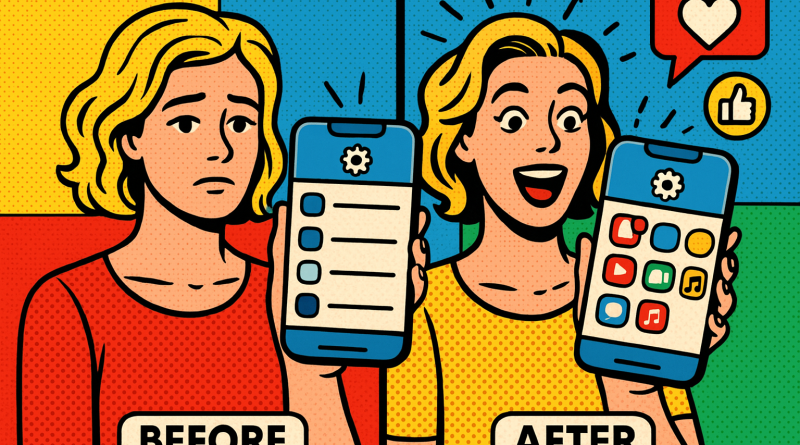
How the iOS 26 Update Transforms Everyday Digital Experiences: Before and After
Every major Apple release sparks curiosity across the tech world, and the iOS 26 update guide is no exception. For years, iPhone users have seen iterative refinements, but iOS 26 marks a more profound evolution—a bridge between traditional smartphone use and a smarter, adaptive digital lifestyle. In this post, we’ll explore how iOS 26 changes the game through a before-and-after comparison that highlights its practical impact on daily gadget experiences.
1. Before: Standard Customization, After: Deep Personalization
Earlier versions of iOS gave users modest control over themes and layouts. With iOS 26, Apple expands this into contextual personalization, allowing your iPhone to adjust features automatically based on your habits, environment, and even your mood. Think of it as a mentor who learns your rhythm and tailors your digital space accordingly.
2. Before: Separate Apps, After: Integrated Ecosystem
In pre-iOS 26 days, apps often worked in isolation. Now, the system encourages native interconnectivity. Calendar events trigger automation in Notes, while Health insights sync with your task list. This creates a flow where data is useful beyond its original context—a foundation that demonstrates Apple’s deeper push toward true digital integration.
3. Before: Manual Efficiency, After: AI-Driven Efficiency
Previously, performance optimization required manual control—clearing memory or managing power modes. With iOS 26, AI algorithms anticipate your behavior, allocating resources intelligently. The result? A system that teaches itself to balance performance and battery life while you focus on creation and connectivity rather than maintenance.
4. Before: Security Settings, After: Adaptive Privacy
Security has always been a strong suit for Apple, but iOS 26 introduces adaptive privacy. The system now responds dynamically to unusual activity, reconfiguring permissions without user input. It’s a subtle yet powerful shift from static protection to proactive guardianship, reflecting Apple’s academic-level research in behavioral data modeling.
5. Before: Static Communication, After: Immersive Connection
Messages, FaceTime, and calls in earlier versions were reliable but routine. The latest update enhances immersion and realism—richer audio textures, contextual transcriptions, and spatial communication tools bring more life into digital conversation. The boundary between physical presence and screen interaction continues to soften.
In short, iOS 26 represents more than another update—it’s a paradigm shift that teaches users how technology can serve them in more personalized, intelligent ways. If you’d like to explore communication tools that align with this new digital intelligence, check out www.conXhub.com.